
"country coffee classification"
2000 article(s) found

Coffee bean grading
At present, there is no international standard for coffee bean quality classification, and the classification method varies from country to country, so coffee classification is carried out according to some characteristics applicable to each producing country. Take samples of coffee beans from a bag, judge them according to the standards of the producing country, grade the samples, and determine whether they are good or bad according to the evaluation.

90 + company raw bean system classification, flavor classification, password classification?
90 + company raw bean system classification, flavor classification, password classification? Ninety plus is an internationally renowned coffee bean production and sales company, and is famous for providing rare and unique raw coffee beans. In addition to working directly with coffee farmers, there is a 134-hectare coffee farm in Panama. Since its establishment, 2007 has reached customers in more than 40 countries around the world.
How to grade coffee beans
At present, there is no international standard for coffee bean quality classification, and the classification method varies from country to country, so coffee classification is carried out according to some characteristics applicable to each producing country. Take samples of coffee beans from a bag, judge them according to the standards of the producing country, grade the samples, and determine whether they are good or bad according to the evaluation.
Analysis of graded Flavor Classification system of Brazilian Coffee Bean
Brazilian coffee is getting worse. Quantity exceeds quality, you may hear people say. But there are a lot more beans than most people think. So, as a Brazilian coffee lover and third-generation coffee producer, I will share with you five things you should know about coffee in this country. Some of them may surprise you that Brazilian coffee is better than you think.

How to classify coffee beans A brief introduction to the classification standard of Ethiopian defective beans
Professional coffee knowledge exchange more coffee bean information please follow the coffee workshop (Wechat official account cafe_style) front street-defective bean classification system this is the earliest classification method, the main representative countries that use the defective bean proportion method are Ethiopia, Indonesia and so on. Indonesian beans are mainly divided into six grades, namely G1~G6. Ethiopian coffee beans are graded with 300g coffee beans.
High-quality coffee learns how to grade coffee beans
At present, there is no international standard for coffee bean quality classification, and the classification method varies from country to country, so coffee classification is carried out according to some characteristics applicable to each producing country. Take samples of coffee beans from a bag, judge them according to the standards of the producing country, grade the samples, and determine whether they are good or bad according to the evaluation.

Basic knowledge of boutique coffee how to grade coffee beans?
At present, there is no international standard for coffee bean quality classification, and the classification method varies from country to country, so coffee classification is carried out according to some characteristics applicable to each producing country. Take samples of coffee beans from a bag, judge them according to the standards of the producing country, grade the samples, and determine whether they are good or bad according to the evaluation.

How to grade the basic coffee beans of fine coffee
At present, there is no international standard for coffee bean quality classification, and the classification method varies from country to country, so coffee classification is carried out according to some characteristics applicable to each producing country. Take samples of coffee beans from a bag, judge them according to the standards of the producing country, grade the samples, and determine whether they are good or bad according to the evaluation.
Basic knowledge of boutique coffee how to grade coffee beans?
At present, there is no international standard for coffee bean quality classification, and the classification method varies from country to country, so coffee classification is carried out according to some characteristics applicable to each producing country. Take samples of coffee beans from a bag, judge them according to the standards of the producing country, grade the samples, and determine whether they are good or bad according to the evaluation.

How do you grade coffee beans? Basic knowledge of boutique coffee beans
At present, there is no international standard for coffee bean quality classification, and the classification method varies from country to country, so coffee classification is carried out according to some characteristics applicable to each producing country. Take samples of coffee beans from a bag, judge them according to the standards of the producing country, grade the samples, and determine whether they are good or bad according to the evaluation.
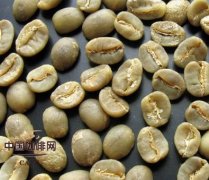
Boutique Coffee learn the basics of coffee how to grade coffee beans?
At present, there is no international standard for coffee bean quality classification, and the classification method varies from country to country, so coffee classification is carried out according to some characteristics applicable to each producing country. Take samples of coffee beans from a bag, judge them according to the standards of the producing country, grade the samples, and determine whether they are good or bad according to the evaluation.

A brief introduction to the grading system of coffee beans recommended by Kenyan coffee brands
Professional coffee knowledge exchange more coffee bean information please follow Coffee Workshop (Wechat official account cafe_style) Front Street-Kenya Coffee Brand, Coffee grading system introduction Kenya coffee with bright sour, charming fruit sweet and flavor, is the favorite of many coffee fans, among which AA grade Kenyan coffee is of excellent quality, is a resounding brand in Kenya coffee. Ken

Classification and taste of Burundian coffee beans
The classification and taste of Burundian coffee beans there are striking similarities between Burundian coffee and neighboring Rwanda, and the coffee produced in these two countries is often confused. Burundian coffee is mainly grown in bourbon, with traditional wet processing of coffee cherries. Its boutique coffee is characterized by elegant sweetness and bright citrus aromas. This batch belongs to the bourbon species micro batch.
Standard of classification and classification of coffee beans in Guatemala planting history and different culture
Professional coffee knowledge exchange more coffee bean information please follow the coffee workshop (Wechat official account cafe_style) Front Street-Guatemala grading introduction Guatemala is located in Central America, which is a year-round rainforest weather, high humidity and warm climate country. Guatemala formed Central America with Nicaragua, El Salvador, Honduras, Costa Rica and Panama

Coffee is classified like this. Explore the secret and classification of coffee bean names.
Professional coffee knowledge exchange More coffee bean information Please pay attention to coffee workshop (Weixin Official Accounts cafe_style) When buying coffee beans, in addition to seeing the name of coffee origin in the packaging or text introduction, sometimes you will see English and numbers, G1, G2, G3, AA, PB, SHB, SHG, HB, etc. Have you ever been confused about what these English or numbers represent? they

What is the unique classification of Brazilian coffee beans? the processing of Brazilian coffee beans
Brazilian coffee, which accounts for more than 40% of the global coffee production, is the largest coffee producing country in Central and South America, and is also the largest coffee producing country in the world. Its geographical environment is lower than that of other coffee producing areas in Central and South America, and the terrain is relatively flat. The elevation of coffee producing areas is about 1000 to 1400 meters. In addition, most coffee growing in Brazil is mainly in the form of exposure, so

Exploring the secrets and classification of coffee bean names: how to distinguish the quality of coffee beans
Communication of professional baristas Please pay attention to the coffee shop (Wechat official account cafe_style) when buying coffee beans, you will sometimes see English and numbers, G1, G2, G3, AA, PB, SHB, SHG, HB, etc., in addition to the name of the coffee producing area in the packaging or in the text introduction. Have you ever wondered what these English or numbers represent? What's the difference between them?

The name and classification of coffee introduce the delicious taste of latte mocha Hawaii Kona.
Naming: coffee beans are named after places of origin (country or region): such as Blue Mountain Coffee, Brazilian Coffee, Colombian Coffee, Kenya, Hawaii Kona, Yega Sheffield, Hara, Gemma, etc. The single black coffee is named after the coffee beans used to make this coffee. Classification: 1. classification by origin: such as Blue Mountain Coffee in Jamaica, Kona Coffee in Hawaii, Mo in Yemen.

Grading of raw coffee beans
At present, there are three main rating criteria for raw coffee beans, and different countries adopt different rating methods according to their own production conditions and national conditions (not all coffee producing countries adopt the same method). Let's introduce these three popular rating methods. One: the reason for the emergence of such a classification standard according to the altitude of the coffee producing area is mainly because of the high level.
On the grading of raw coffee beans
The last step in the processing of raw coffee beans is grading, so what are the grading methods of raw coffee beans? Do different countries adopt the same approach? At present, there are three main rating criteria for raw coffee beans, and different countries adopt different rating methods according to their own production conditions and national conditions (not all coffee producing countries adopt the same method).